Circular Economy Practice
Refurbish first. Specify second. Never assume new is better.
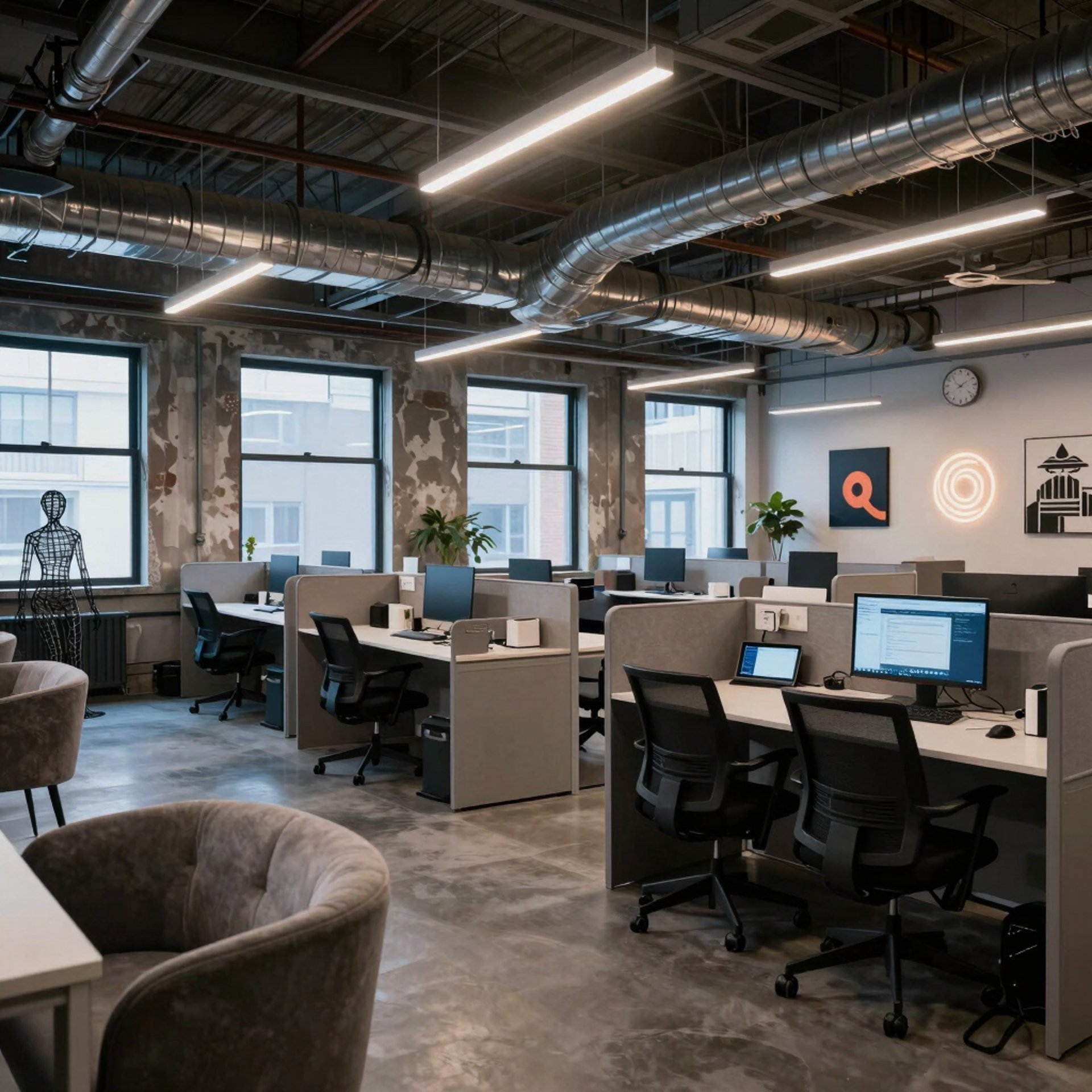
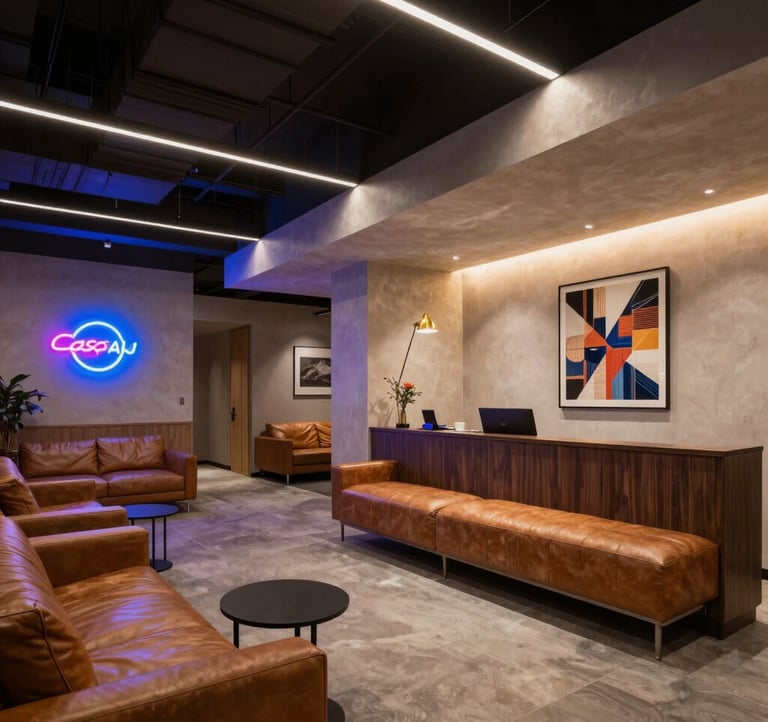
EEvery project begins with an audit of existing furniture and workplace assets. We identify what can be restored, reused, redeployed or responsibly redirected before recommending anything new.
How we work
Three stages. One accountable chain.
Stage 01 — Assess
We catalogue every furniture and workplace asset on site, reviewing condition, material origin, reuse potential and lifecycle value before anything is moved.
Stage 02 — Redeploy
Repairable pieces are restored. Surplus assets are redirected to other sites, storage, donation routes or responsible partners wherever possible.
Stage 03 — Specify
New procurement is used only where there is a genuine gap. Every specification considers material origin, manufacturer ESG standards, durability and end-of-use pathway.
Measured outcomes
Circular sourcing built into the project, not bolted on afterwards.
Up to 70%
Landfill reduction
Material traceability
Every displaced asset is reviewed for reuse, redistribution, refurbishment or responsible recycling before disposal is considered.
New specifications can include documented origin, manufacturer ESG credentials, durability checks and end-of-use pathways to support client reporting.
Of existing furniture assets can be redeployed or refurbished across suitable projects, reducing unnecessary procurement, waste and capital spend.
Your ESG brief deserves a workspace audit, not a furniture catalogue.
Bring us your refurbishment timeline, sustainability targets and current site inventory. We’ll identify what already has value before recommending anything new.
SPL Team - Space tells a story. We make sure it's the right one.
Navigate
Home
About
Services
Sustainability
Work
Contact
Start a conversation
carl@spl-team.co.uk
+44 (0) 792 001 2470
London · UK
(C) 2026 SPL Team-26 years of design-led workplace consultancy across the UK and beyond.
Refurbish. Rethink. Transform.